
Travel stress often starts before the airport, right at the suitcase. An AI-Powered Packing List for Travel Activities removes guesswork and wasted space. Travelers now expect packing plans that match real schedules, climates, and movement patterns. Static lists no longer work for modern trips. Smart systems adapt to how people actually travel.
Frequent flyers know the pain of forgetting essentials while carrying useless extras. Weekend explorers face different challenges than multi-country travelers. Business trips demand structure and precision. Adventure travel requires flexibility and foresight. Packing must reflect purpose, not habits.

Most packing lists follow outdated templates. They ignore daily activities, weather shifts, and cultural context. Travelers end up packing for scenarios that never happen. This wastes time, money, and energy.
A beach trip with city dinners needs balance. A hiking escape needs precision. A conference schedule demands polish and backups. Generic lists treat all trips the same. That mismatch creates frustration before departure.
Modern travelers move faster. They combine work, leisure, and exploration. Packing must evolve with that reality. Smart tools now replace guesswork with data-driven decisions.
An AI-Powered Packing List for Travel Activities builds lists around what you actually do. It analyzes trip length, climate, and daily activities. The result matches real movement patterns, not assumptions.
Instead of adding items “just in case,” the system prioritizes necessity. Travelers pack fewer items but feel more prepared. That confidence changes the entire trip experience.
This approach supports smarter luggage choices. It reduces overpacking and avoids emergency purchases abroad. Travelers gain clarity before they zip the suitcase.
Trips include movement, downtime, and transitions. Packing must support all three. An activity-based travel packing guide aligns clothing and gear with daily plans.
City walking days differ from transit days. Beach mornings differ from evening outings. Smart planning groups items by use, not category. That saves time every morning.
With an activity-based travel packing guide, travelers stop second-guessing choices. Each item earns its place.
The Ultimate Travel eBook for Stress-Free Suitcase Planning explains how to pack with intention. It teaches travelers to plan around actions, not anxiety.
This guide shows how AI logic evaluates activities and adjusts lists automatically. It replaces mental clutter with structure. Travelers learn how to think through packing logically.
The framework works for short trips and extended stays. It scales with complexity. Readers gain a repeatable system they can reuse.
An AI-Powered Packing List for Travel Activities adapts across travel styles. Business travelers avoid excess. Digital nomads stay flexible. Families pack smarter without chaos.
Each trip type requires different priorities. AI travel planning for packing efficiency ensures nothing critical gets overlooked. Travelers move with confidence, not fear.
The system also supports carry-on strategies. Minimalists benefit from tighter lists. Overpackers learn restraint without stress.
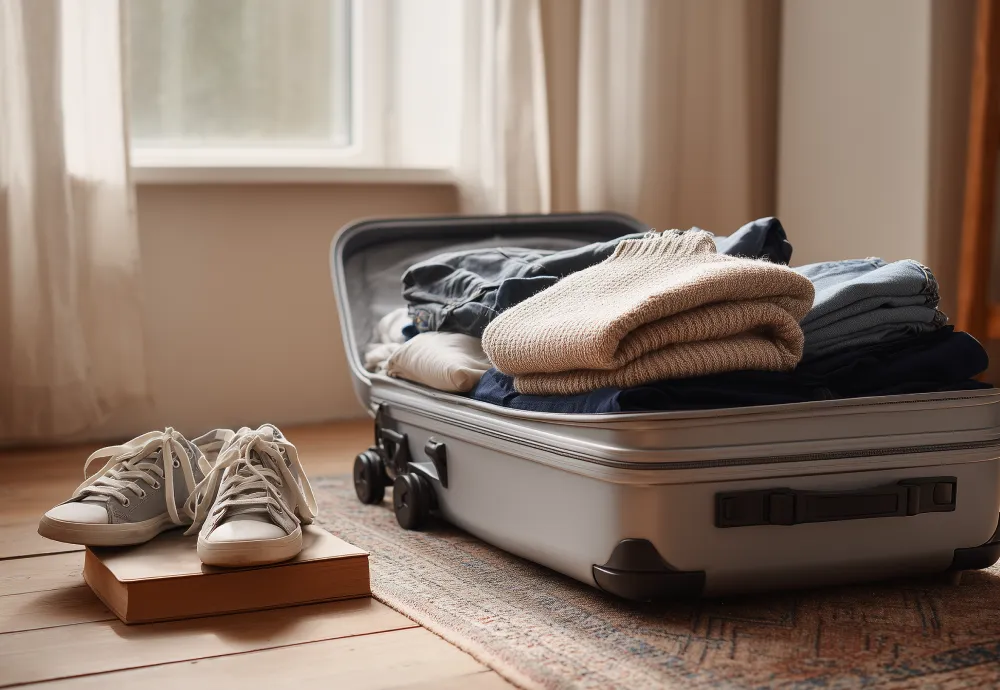
Personal context changes everything. A personalized packing list for trips considers habits and preferences. It respects how people live on the road.
Someone who runs daily packs differently than someone who swims. Someone attending meetings needs structure. And someone exploring markets needs comfort.
With a personalized packing list for trips, travelers feel prepared without excess. That balance reduces stress before departure.
Packing affects every travel day. Poor planning causes delays and frustration. Smart systems streamline mornings and transitions.
A smart packing list based on trip activities keeps items accessible. Travelers spend less time searching and more time experiencing.
This efficiency matters during short stays. Every saved minute improves the trip. Packing becomes invisible, not stressful.
An AI travel packing assistant evaluates real data. It considers weather forecasts, schedules, and activity intensity. Accuracy improves with every input.
Unlike static checklists, AI adjusts recommendations. It learns patterns. Travelers receive smarter suggestions over time.
Using an AI travel packing assistant reduces forgotten essentials. It also prevents unnecessary backups.
The Ultimate Travel eBook for Stress-Free Suitcase Planning focuses on decision-making. It avoids fluff and theory.
Readers learn how to structure packing sessions. They apply logic instead of emotion. That shift changes how travel preparation feels.
The system works without constant rethinking. Travelers reuse it across destinations. Packing becomes faster with every trip.
An AI-Powered Packing List for Travel Activities builds a transferable skill. Travelers learn how to evaluate needs quickly. They stop reacting and start planning.
This skill reduces anxiety before trips. It increases confidence during travel. Packing no longer feels overwhelming.
Once learned, the process becomes automatic. Travelers spend energy on experiences, not logistics.
Frequent travelers benefit immediately. Occasional travelers avoid repeat mistakes. Families reduce chaos.
The guide supports anyone tired of overpacking stress. It suits planners and spontaneous travelers alike.
With AI travel planning for packing efficiency, preparation feels lighter and more controlled.

Packing sets the tone for the entire trip. Calm preparation leads to better experiences. Stress-free packing improves travel confidence.
The Ultimate Travel eBook for Stress-Free Suitcase Planning helps travelers build that calm. It replaces chaos with clarity.
When packing aligns with real activities, travel feels lighter. That difference shows from departure to return.

If you have any questions, here are some useful links:



Leave a comment